
20 Best Things to Do in
Málaga in 2026
Spain's rising tech capital on the Costa del Sol ~ from the Alcazaba and Picasso Museum to hidden beaches, chiringuitos, coworking spaces, and the best day trips in Andalusia. The complete guide for travelers, expats, and digital nomads.
20+
Things to do
6
Neighborhoods
€1,500
Avg. monthly cost
300+
Days of sun/yr
Why Málaga?
Málaga has quietly transformed from a beach-holiday gateway into one of Europe's most exciting cities. Picasso's birthplace now hosts Google's cybersecurity hub, a Centre Pompidou outpost, and a street art scene that rivals Berlin. The Alcazaba still stands above it all, the sardines still grill on the beach, and the cost of living is still 30~40% cheaper than Barcelona.
For digital nomads, Málaga offers a rare combination: 300 days of sunshine, a subtropical climate where winter means 16°C, growing coworking infrastructure, and a tech ecosystem that's attracting talent from across Europe. Add in the day trips ~ Ronda, Caminito del Rey, the Alhambra ~ and you have a city that works for a weekend visit or a year-long stay.
In this guide
Top 12 things to do in Málaga
From Moorish fortresses to beachside sardines ~ the essentials.
Explore the Alcazaba & Roman Theatre
Málaga's 11th-century Moorish fortress is one of the best-preserved in Spain ~ wander through gardens, archways, and ramparts with panoramic views over the city and port. At the foot of the hill, the 1st-century Roman Theatre was only rediscovered in 1951. Both are free on Sunday afternoons.
Climb to Castillo de Gibralfaro
Above the Alcazaba sits Gibralfaro castle, a 14th-century fortress with the best panoramic views in Málaga. The walk up through pine-lined paths takes 20 minutes, and from the ramparts you can see the bullring, the harbour, the cathedral, and the coastline stretching east toward Nerja. Entry is 3.50 euros (free Sundays from 2pm).
Visit the Picasso Museum
Málaga's most famous son gets a stunning museum in the 16th-century Buenavista Palace. Over 200 works spanning Picasso's entire career, from early sketches to late cubist pieces. The museum is smaller and more intimate than Barcelona's. Free entry on Sundays from 5pm ~ arrive early, the queue builds fast.
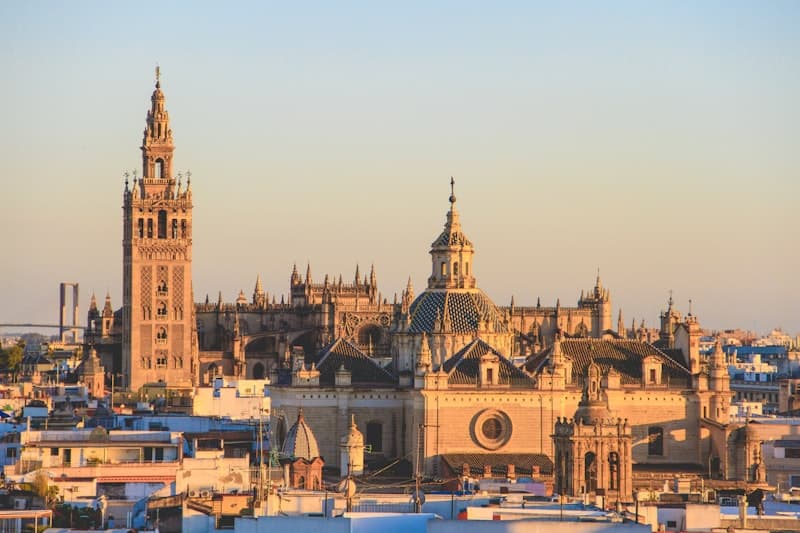
Get lost in Soho ~ Málaga's street art district
What was once a neglected industrial area is now Málaga's creative heartbeat. The Soho neighbourhood south of Alameda Principal is covered in giant murals by artists like Shepard Fairey and D*Face. Wander the streets, pop into galleries, and end at the Centre Pompidou Málaga ~ a colourful cube on the waterfront with rotating contemporary exhibitions.

Eat your way through Mercado de Atarazanas
Málaga's historic central market sits inside a 14th-century Nasrid gateway ~ look up at the stunning stained-glass window at the back. Inside: piles of fresh seafood, local olives, aged cheeses, and tapas bars where locals stand elbow-to-elbow eating espetos (grilled sardines) and fried anchovies. Come before 2pm ~ it closes early.
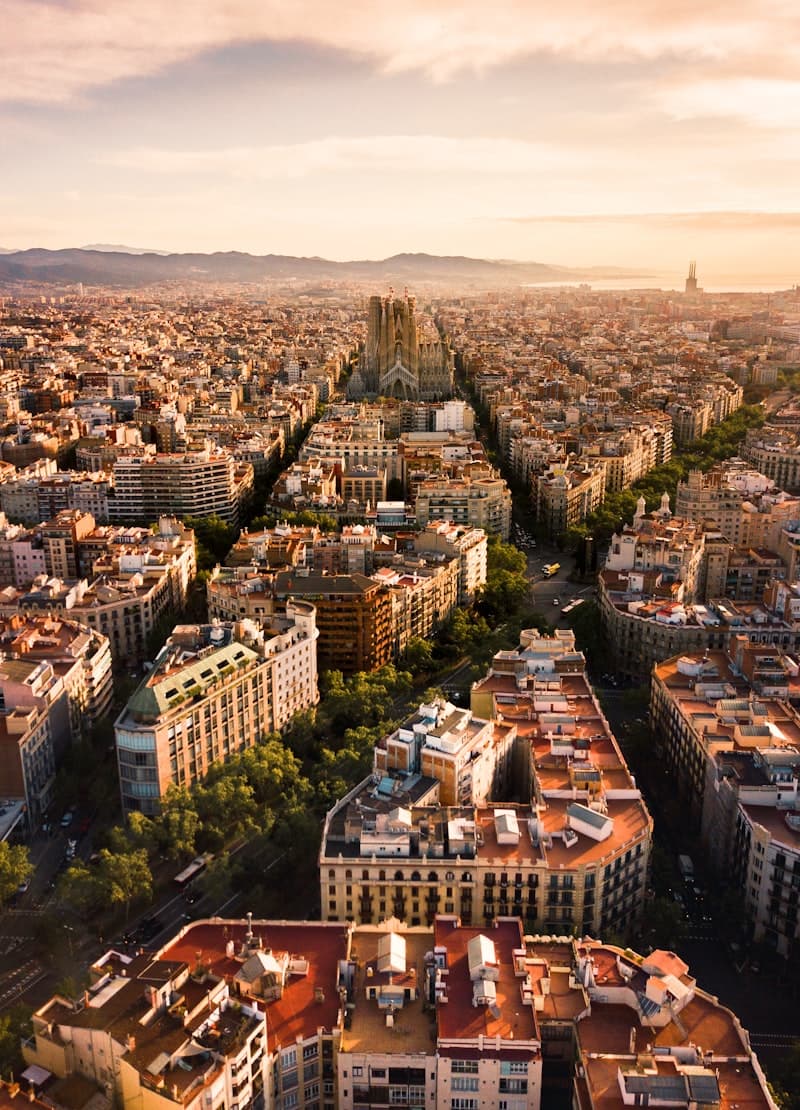
Walk the Muelle Uno waterfront
The redeveloped port promenade is Málaga's living room ~ restaurants, shops, the Centre Pompidou cube, and views of the harbour with the Alcazaba rising behind it. Perfect for an evening paseo (stroll). On Sundays there's a craft and artisan market. The palm-lined walk from Muelle Uno to La Malagueta beach takes 10 minutes.
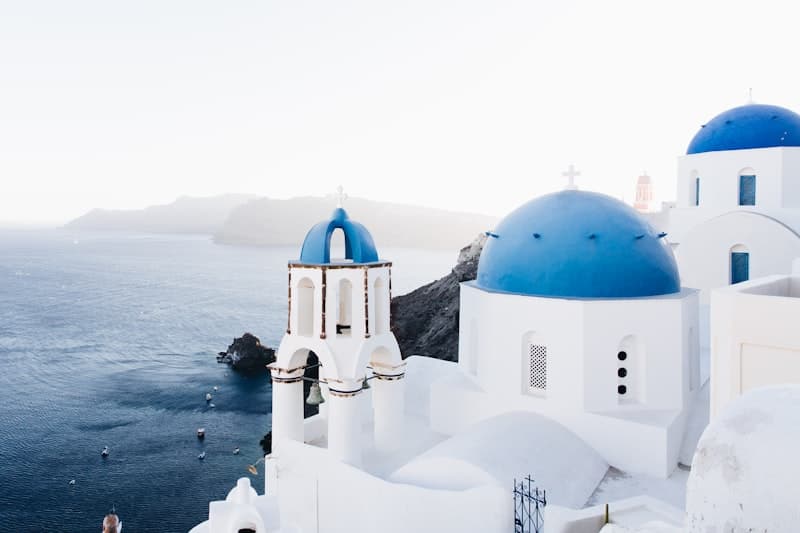
Spend a morning at La Malagueta beach
Málaga's most accessible city beach is a 1.2km stretch of dark sand right next to the port. Rent a sunbed and parasol (around 8 euros), swim in calm Mediterranean water, and walk to any of the chiringuitos (beach bars) for fried fish and a cold Cruzcampo. Not the most beautiful beach in Andalusia, but the convenience is unbeatable.
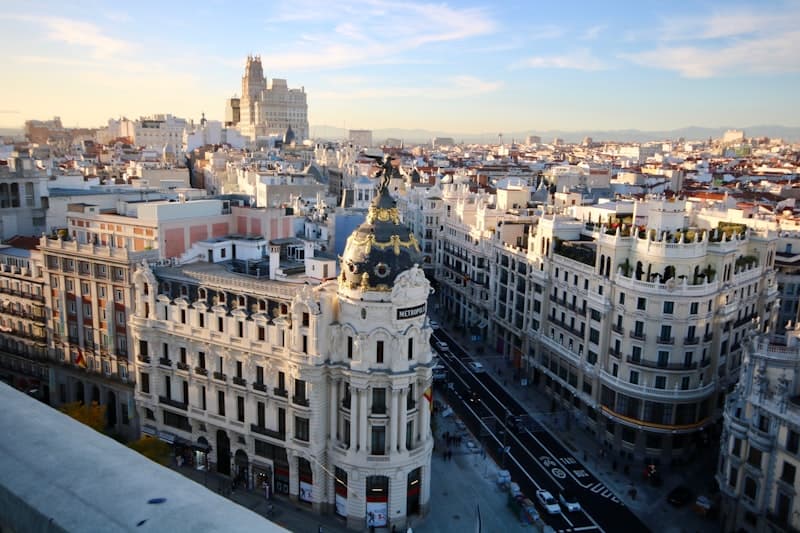
See the one-armed cathedral
La Manquita (the one-armed lady) is Málaga's affectionate nickname for its unfinished Renaissance cathedral ~ the south tower was never built because funds were diverted to support American independence. The interior is beautiful (120-metre-long nave, twin organs) and the rooftop tour offers incredible views over the old town.
Wander the Jardín Botánico La Concepción
A hidden paradise 15 minutes north of the centre ~ this 19th-century subtropical garden has over 2,000 plant species from five continents, winding paths through bamboo groves, Roman ruins, waterfalls, and one of Europe's finest collections of palm trees. Only 5 euros entry and almost no tourists. Take the 2 bus from Alameda Principal.
Relax at the Hammam Al Ándalus
A Moorish-style bathhouse in the heart of the old town with hot, warm, and cold pools, steam rooms, and a rooftop terrace. The architecture alone is worth the visit ~ horseshoe arches, star-shaped light wells, and candlelit chambers. Book the 90-minute bathing ritual (from 38 euros). Perfect for a rainy day or post-hike recovery.
Discover Pedregalejo's beachfront chiringuitos
Skip the touristy centre and head east to Pedregalejo ~ a former fishing village that's now Málaga's most charming beach neighbourhood. The paseo marítimo is lined with chiringuitos serving espetos de sardinas (sardines grilled on bamboo skewers over open flame on the beach). This is where Malagueños eat on weekends.
Visit the Museo de Vidrio y Cristal
The Glass and Crystal Museum is one of Málaga's best-kept secrets ~ housed in an 18th-century mansion, it displays 3,000 years of glass art from ancient Egypt to Tiffany. Every room is decorated in the period of its collection. The guided tour (included in the 6 euro entry) is genuinely fascinating and takes about an hour.
Best neighborhoods to explore (& live in)
Each Málaga neighbourhood has its own character. Here's how to choose.
Centro Histórico
Historic & touristic
Best for: Short-term visitors
Walkable to everything ~ cathedral, Alcazaba, Picasso Museum, tapas bars on every corner. Beautiful but noisy and pricier for rent.
Soho
Creative & trendy
Best for: Digital nomads & creatives
Street art, indie cafes, Centre Pompidou, coworking spaces. Walking distance to port and beaches. Málaga's most 'up-and-coming' area.
La Malagueta
Beachfront & residential
Best for: Beach lovers & couples
City beach access, Muelle Uno promenade, mix of local restaurants and upscale spots. Quieter than Centro but still very central.
Pedregalejo
Bohemian & beachy
Best for: Long-term nomads & families
Former fishing village with chiringuitos, paseo marítimo, local vibe. 15 min cycle to centre. Best value for beach living.
El Palo
Local & authentic
Best for: Budget-conscious nomads
Cheapest neighbourhood on this list. Genuine fishing village feel, amazing seafood, quiet beaches. 20 min bus to centre.
Teatinos
Modern & residential
Best for: Students & remote workers
Near the university campus, modern apartments, gyms, supermarkets. No charm, but affordable and practical. Good internet.
Where to eat & drink in Málaga
Málaga's food scene is seafood-forward, tapas-heavy, and absurdly affordable.
Traditional tapas
El Pimpi (the institution), Casa Lola (modern twist), Uvedoble (hidden local gem)
Seafood & espetos
Chiringuitos in Pedregalejo, El Tintero (auction-style service), Marisquería Casa Vicente
Markets
Mercado de Atarazanas (central), Mercado del Carmen (residential), Mercado de Salamanca
Brunch & coffee
Recyclo Bike Café, Dulce Dreams, Bertie's Restaurant, My Coffee Break
Budget meals
Menú del día at any bar outside Centro ~ 3-course lunch with drink for €10~13
Late-night
El Pimpi terrace (wine + Alcazaba views), La Tranca (standing tapas bar, packed weekends)
Must-try: Espetos de sardinas ~ sardines skewered on bamboo and grilled over an open fire right on the beach. This is Málaga's signature dish. The best ones are in Pedregalejo and El Palo, not the tourist centre.
Coworking spaces for remote workers
Málaga's coworking scene is smaller than Madrid's but growing fast. Average internet speed: 47 Mbps.
The Living Room
Soho ~ Best community vibe ~ regular events, rooftop, strong nomad presence
Revolucion Coworking
Centro ~ Bright, central space with fast Wi-Fi and quiet focus rooms
Santander Work Café
Calle Larios ~ Free coworking by Santander Bank ~ fills up fast, arrive early
La Térmica
West Málaga ~ Cultural centre with co-creation spaces, exhibitions, and a beautiful terrace
Bueno Café
Pedregalejo ~ Beach-adjacent café with reliable Wi-Fi ~ work with ocean sounds
Workincompany
Near the port ~ Budget-friendly option with 24/7 access, meeting rooms available
Café alternative: Bueno Café and La Chancla in Pedregalejo both have Wi-Fi and ocean views. Recyclo Bike Café in the centre is a popular freelancer spot. Buy something every hour and you're welcome.
Best day trips from Málaga
Málaga is the gateway to Andalusia. All of these are doable without a car.
Ronda
A dramatic cliff-top town with the jaw-dropping Puente Nuevo bridge spanning the El Tajo gorge. One of Spain's most photographed towns ~ go early before the tour buses arrive. The bullring is one of the oldest in Spain.
Nerja & Frigiliana
Nerja's Balcón de Europa is a stunning cliff-top viewpoint, and the Cueva de Nerja (caves) are spectacular. Pair it with Frigiliana, a white-washed village 10 minutes up the hill ~ often called the prettiest in Andalusia. Do both in one day.
Caminito del Rey
Once called the world's most dangerous walkway, this cliffside path through the Gaitanes gorge has been beautifully restored. The 7.7km route takes about 3~4 hours and is unforgettable ~ book tickets online weeks in advance (8 euros). Vertigo warning: sections are 100m above the river.
Granada & the Alhambra
The Alhambra is arguably Spain's most stunning monument ~ Nasrid palaces, the Generalife gardens, and views of the Sierra Nevada. Book Alhambra tickets 2+ months ahead (they sell out fast). Explore the Albaicín and Sacromonte quarters for tapas and flamenco after.
Marbella & Puerto Banús
Marbella's old town is charming (whitewashed streets, Plaza de los Naranjos), and Puerto Banús is where the yachts dock. Good for a half-day of contrast ~ old-world Andalusia meets Costa del Sol glamour. The beach clubs are fun if you're in the mood.
Best time to visit Málaga
Subtropical Mediterranean climate ~ mild winters, hot summers, and sunshine almost every day.
Spring (March~May)
16~25°C ~ Best time to visit
Perfect weather, Semana Santa processions (spectacular in Málaga), almond blossoms in the countryside, outdoor terraces in full swing. Beach season starts in May.
Summer (June~August)
25~36°C ~ Hot, busy, festive
Peak tourist season on the Costa del Sol. Feria de Málaga in August is a week of flamenco, wine, and dancing until dawn. Beaches are packed but evenings are magical. Rent rises 20~30%.
Autumn (September~November)
15~28°C ~ Excellent shoulder season
September is still summer without the crowds or prices. October brings some rain but the city is gorgeous. Sea is still warm enough to swim through October. Best for digital nomads.
Winter (December~February)
10~18°C ~ Mild & affordable
Málaga gets 6 hours of winter sunshine daily ~ milder than almost anywhere else in mainland Europe. Christmas lights rival Madrid's. Cheapest rent and fewest tourists. Perfect nomad season.
Cost of living in Málaga (2026)
Cheaper than Madrid and Barcelona, but rising. Here's a realistic breakdown.
One-bedroom apartment (centre)
€700~1,000/moOne-bedroom (Pedregalejo/El Palo)
€550~800/moRoom in shared flat
€350~550/moGroceries
€200~300/moEating out (menú del día)
€10~13/mealMonthly transport pass
€35/moCoworking membership
€120~200/moCoffee
€1.30~2.50Beer (caña)
€2.00~3.00€1,300~1,700
Modest monthly budget
Shared flat, cooking at home, public transport
€1,900~2,400
Comfortable monthly budget
Own apartment, dining out, coworking
Travel insurance for Málaga
Health insurance is required for Spain's Digital Nomad Visa and strongly recommended for any extended stay.
Feather Insurance
Best for DNV holders & residents
- Designed for expats in Spain
- Meets DNV insurance requirements
- Public + private healthcare
- Monthly plans, cancel anytime
SafetyWing
Best for travelers & short stays
- Built for digital nomads
- 180+ countries covered
- From $45/month, pay as you go
- No fixed end date needed
DNV requirement: Spain's Digital Nomad Visa requires private health insurance with no copays and full coverage. Feather is purpose-built for this. SafetyWing works well for the Schengen tourist phase.
Frequently asked questions
Is Málaga good for digital nomads?
Málaga is one of Spain's fastest-growing tech hubs ~ Google, Vodafone, and dozens of startups have set up here. With 300 days of sunshine, affordable rent, a growing coworking scene, beach access, and Spain's Digital Nomad Visa making remote work legal, it's an excellent base. The nomad community is smaller but growing fast.
How many days do you need in Málaga?
3 to 4 days covers the main sights, key neighborhoods, and top food spots. Add a day for each day trip (Ronda, Nerja, Caminito del Rey). If you're testing it as a home base, plan for 2 weeks to properly explore neighborhoods, try coworking spaces, and find your rhythm.
Is Málaga expensive?
Málaga is cheaper than Madrid or Barcelona but prices have risen with the tech boom and tourism. A comfortable monthly budget is around €1,400~1,900 for a single person. Eating out is still very affordable ~ menú del día for €10~13, espetos on the beach for €5, and cañas for €2.
What's the best neighborhood to live in Málaga?
Soho for creative energy and coworking proximity. Pedregalejo for beach life and value. La Malagueta for a central-beach balance. El Palo for the cheapest seaside living. Centro for short stays and walkability. Most digital nomads gravitate toward Soho or Pedregalejo.
How's the weather in Málaga?
Málaga has a subtropical Mediterranean climate ~ 300+ days of sunshine per year. Winters are mild (12~18°C), summers are hot but coastal (25~36°C). It rarely rains between May and September. Even in January, you'll get 6 hours of sunshine and can eat outside.
Do I need Spanish in Málaga?
English is more widely spoken than in most Spanish cities thanks to tourism and the expat community. But outside the tourist zone, Spanish is essential for daily life ~ renting, healthcare, bureaucracy. Málaga is less English-friendly than Barcelona but more so than Seville.
Is Málaga safe?
Very safe. Petty theft can happen in tourist areas (pickpocketing near the cathedral and port), but violent crime is rare. Most neighborhoods are safe to walk at night. The beach areas are well-lit and busy until late.
What's the best day trip from Málaga?
Ronda for drama and architecture. Caminito del Rey for adventure. Nerja + Frigiliana for coastline and white villages. Granada for the Alhambra (Spain's most visited monument). All are reachable without a car ~ buses run frequently from the main station.
Make Málaga your home base
Spain's Digital Nomad Visa
Work legally from the Costa del Sol with Spain's Digital Nomad Visa ~ we'll walk you through the entire application process.
Photos: Unsplash (free to use). Street art, market, harbour, beach, cathedral, and Ronda bridge by various Unsplash contributors.