
20 Best Things to Do in
Valencia in 2026
Spain's third-largest city where futuristic architecture meets ancient tradition ~ from the City of Arts and Sciences and Mercado Central to Turia Gardens, Las Fallas, paella by the lake, and the best coworking spots on the Mediterranean. The complete guide for travelers, expats, and digital nomads.
20+
Things to do
6
Neighborhoods
€1,200
Avg. monthly cost
300+
Days of sun/yr
Why Valencia?
Valencia has a way of surprising people. It's Spain's third city by size, but it feels more relaxed than Madrid and more affordable than Barcelona. The City of Arts and Sciences could sit in a sci-fi film, yet five minutes away fishermen haul in the morning catch at Cabanyal. The Turia Gardens give you 9km of green riverbed to cycle through, the food is extraordinary (this is where paella was born), and 300 days of sunshine make winter feel like an extended autumn.
For digital nomads, Valencia hits a sweet spot that's hard to find elsewhere in Europe: genuinely low cost of living (you can live well on €1,200/month), fast internet, a thriving coworking scene, beach access in 15 minutes, and a community of remote workers that's been growing steadily since the Digital Nomad Visa launched. Add in day trips to rice paddies, hot springs, and medieval castles, and you have a city that works for a long weekend or a year-long stay.
In this guide
Top 12 things to do in Valencia
From futuristic architecture to beachside paella ~ the essentials.
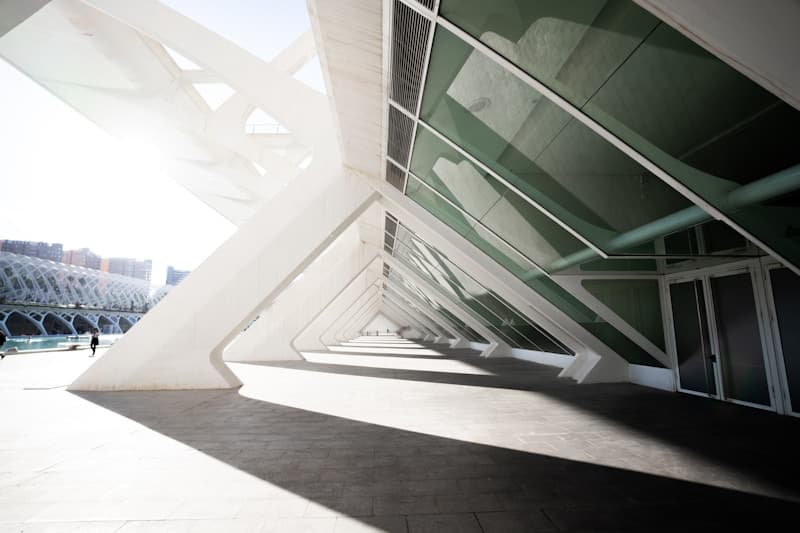
Visit the City of Arts and Sciences
Santiago Calatrava's futuristic complex is Valencia's most iconic landmark ~ five venues spread across drained Turia riverbed pools, including the Oceanogràfic (Europe's largest aquarium), the Hemisfèric IMAX cinema shaped like a giant eye, and the Príncipe Felipe science museum. Visit at sunset when the white structures glow orange and reflect perfectly in the surrounding water. Budget 4~5 hours to see everything, or just walk around the outside for free.
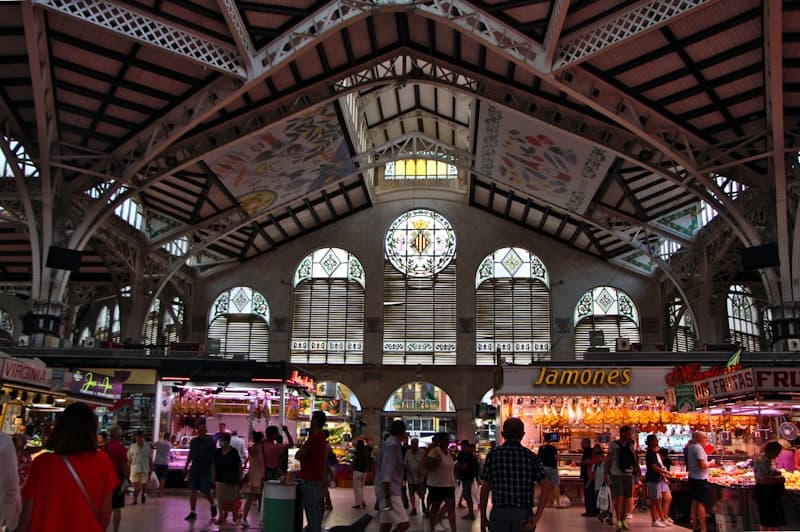
Explore Mercado Central
One of Europe's largest and most beautiful covered markets, housed in a stunning Art Nouveau building with stained-glass windows and a tiled dome. Over 1,000 stalls sell fresh produce, cured meats, local cheeses, saffron, and horchata ingredients. Come before noon when the energy peaks ~ locals shop for lunch ingredients while tourists snap photos. The Central Bar inside serves incredible tapas right at the counter.
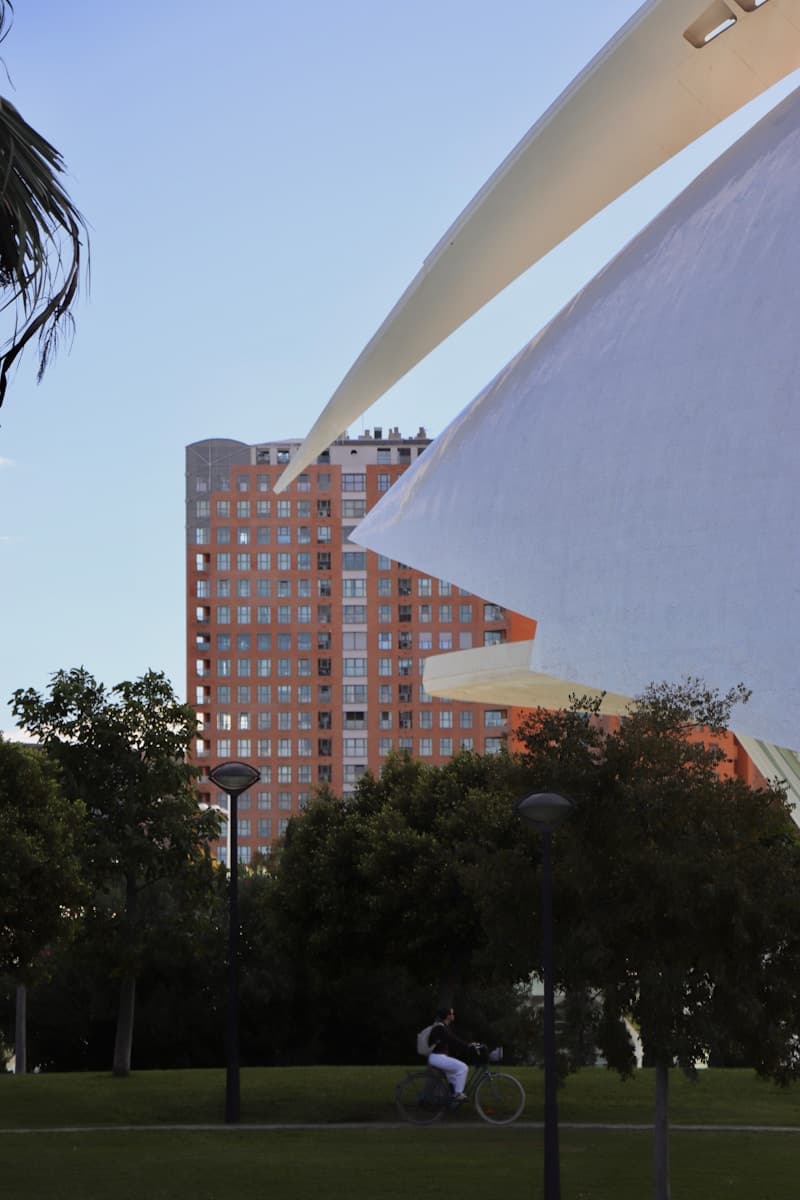
Walk through Turia Gardens
When the Turia River flooded Valencia in 1957, the city made a bold move ~ they rerouted it and turned the old riverbed into a 9km park stretching from Bioparc to the City of Arts and Sciences. Today it's the green spine of the city, filled with running paths, playgrounds, fountains, orange groves, and a giant Gulliver play structure. Rent a bike and ride end to end in 40 minutes, or walk sections at a time. It's where Valencia lives on weekends.
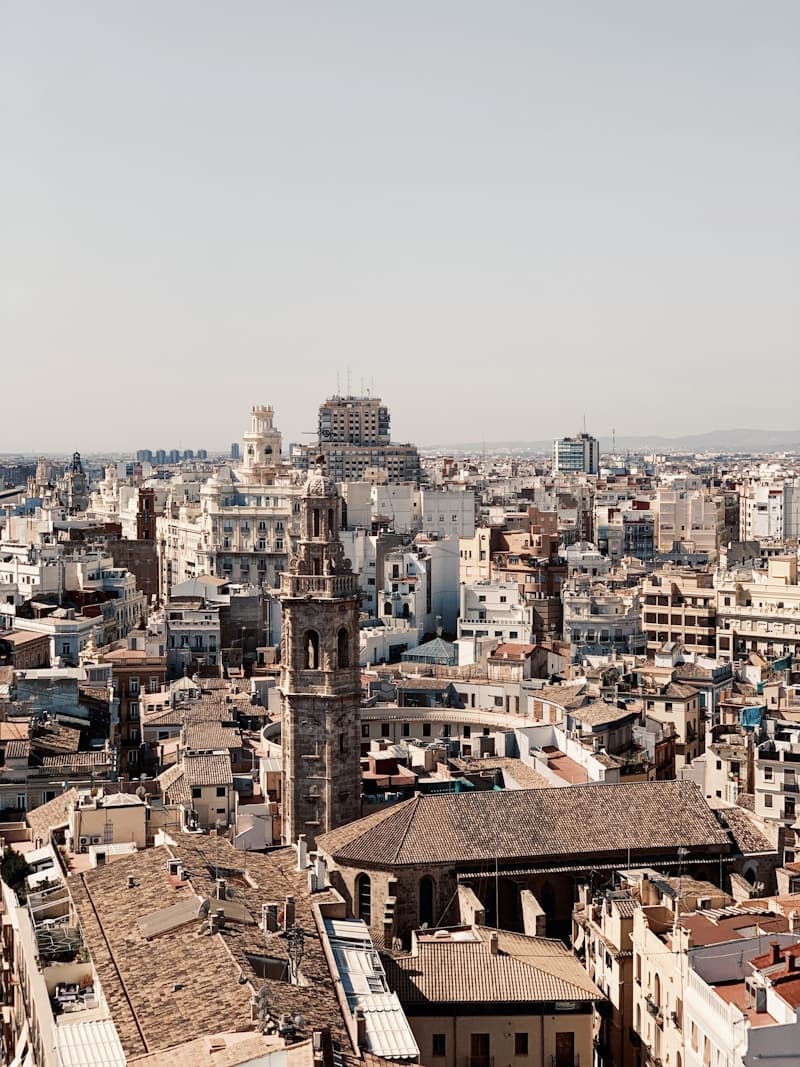
Climb El Micalet tower at the Cathedral
Valencia's cathedral is a blend of Romanesque, Gothic, and Baroque styles ~ it even claims to house the Holy Grail (seriously, it's in the chapel). But the real draw is El Micalet, the octagonal bell tower. Climb 207 steps up a narrow spiral staircase and you're rewarded with a 360-degree panorama of the entire city ~ terracotta rooftops, the distant sea, and the Turia Gardens winding below. Entry is around 8 euros for the full cathedral and tower combo.
Wander El Carmen neighbourhood
Valencia's oldest barrio sits between two sections of the medieval city wall ~ Torres de Serranos and Torres de Quart. Narrow streets open into unexpected plazas filled with terrace cafés, vintage shops, and some of the best street art in Spain. The neighbourhood transforms after dark with cocktail bars, live music, and a buzzing nightlife scene. By day, visit the IVAM contemporary art museum and the Carmen cultural centre.
Visit La Lonja de la Seda (Silk Exchange)
This UNESCO World Heritage Site is one of the finest examples of late Gothic civil architecture in Europe. Built between 1482 and 1548 when Valencia was a Mediterranean trading powerhouse, the main hall features twisted columns that rise like palm trees to a vaulted ceiling 17 metres above. Entry is free on Sundays and holidays. It takes 30 minutes to visit but the Column Hall alone is worth crossing the city for.
Relax at Malvarrosa Beach
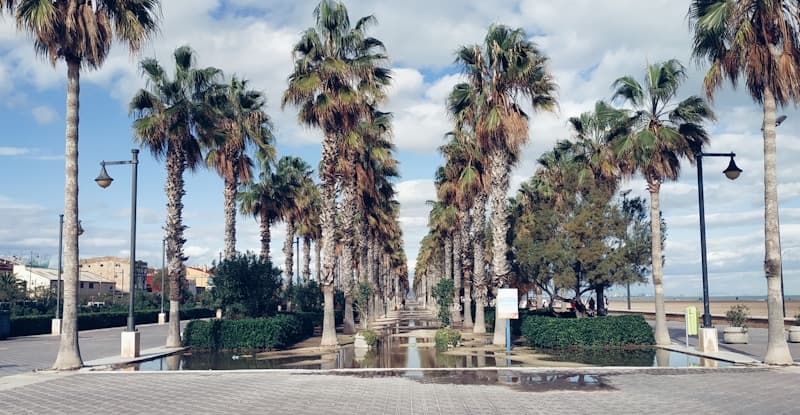
Valencia's main city beach runs for nearly 2km of golden sand backed by a palm-lined promenade. The water is calm and clean, and chiringuitos (beach bars) serve cold cañas and fried fish. It's not the most secluded beach in Spain, but it's a 15-minute tram ride from the city centre and has everything you need ~ showers, lifeguards, sunbed rental (around 8 euros), and views of the port. Patacona Beach to the north is quieter if you want more space.
See a flamenco show
While Andalusia is the heartland of flamenco, Valencia has its own intimate venues that deliver raw, powerful performances without the tourist-trap atmosphere. Café del Duende in El Carmen hosts regular shows in a candlelit basement ~ arrive early for a front-row seat. La Bulería is another favourite, with skilled local performers and a menu of wine and tapas. Expect to pay 15~25 euros including a drink.
Discover the Russafa neighbourhood
Russafa (or Ruzafa) is Valencia's answer to Berlin's Kreuzberg ~ a formerly working-class neighbourhood that's become the city's most vibrant cultural quarter. Independent galleries line Calle Denia, brunch spots overflow on Saturday mornings, and the Russafa market buzzes with local shoppers. Vintage stores, craft beer bars, and co-working cafés fill the side streets. It's where most digital nomads end up living and it's easy to see why.
Visit Museo de Bellas Artes
Spain's second most important fine arts museum after the Prado ~ and it's completely free. Housed in a 17th-century seminary, the collection spans from 14th-century Valencia altarpieces to works by El Greco, Velázquez, Goya, and the Valencian master Joaquín Sorolla. The Sorolla rooms alone are worth an hour ~ his luminous beach scenes were painted right here on Valencia's coast. Visit on a weekday morning and you might have entire galleries to yourself.
Explore Cabanyal's colourful streets
This former fishing village just behind the port is famous for its colourful tiled facades ~ azulejos in every shade of blue, green, and terracotta. Cabanyal nearly fell to demolition plans a decade ago, but fierce community resistance saved it. Now it's regenerating beautifully with cafés, studios, and cultural spaces opening in restored houses. Walk along Calle de la Reina for the best tile-watching, then eat at any of the no-frills seafood restaurants near the beach.
Watch sunset from Plaza del Ayuntamiento
Valencia's grand central square is ringed by ornate municipal buildings, a grand fountain, and flower kiosks. The plaza comes alive in the evening when locals gather, children chase pigeons, and the setting sun lights up the neoclassical facades. During Las Fallas in March, this is ground zero for the daily mascletà ~ a deafening daytime firecracker display at 2pm that shakes the ground beneath your feet. Grab a bench and watch the city go by.
Best neighborhoods to explore (& live in)
Each Valencia neighbourhood has its own personality. Here's how to choose.
El Carmen
Historic & artsy
Best for: Short-term visitors & creatives
Walkable to everything ~ cathedral, street art, nightlife, La Lonja. Charming but can be noisy at night. Best location for exploring on foot.
Russafa / Ruzafa
Trendy & cosmopolitan
Best for: Digital nomads & young professionals
Brunch culture, independent shops, coworking cafés, vibrant nightlife. The most international neighbourhood in Valencia. Walking distance to the train station.
Cabanyal
Beachy & bohemian
Best for: Beach lovers & artists
5-minute walk to the beach, colourful tiled houses, regenerating food scene. Affordable and authentic ~ feels like a village inside a city. Tram to the centre in 15 minutes.
Extramurs
Central & residential
Best for: Long-term nomads & couples
Quiet streets between the old town and Turia Gardens. Local bakeries, neighbourhood bars, and excellent value for a central location. Walking distance to Gran Vía shopping.
Benimaclet
Student & alternative
Best for: Budget-conscious nomads
University neighbourhood with cheap eats, independent bookshops, and a community garden vibe. Slightly out of the centre but well-connected by metro. Feels like a small town.
Poblats Marítims
Coastal & laid-back
Best for: Surfers & outdoor lovers
Beach access, morning runs along the promenade, seafood restaurants, and the America's Cup marina. More spread out but great quality of life. Rent is reasonable for beachside living.
Where to eat & drink in Valencia
The birthplace of paella, home of horchata, and still absurdly affordable for what you get.
Breakfast & brunch
Bluebell Coffee (Russafa, great flat whites), Federal Café (trendy brunch, long queues on Saturdays), Dulce de Leche (pastries and coffee near the market)
Lunch spots
Menú del día at any neighbourhood bar ~ 3-course lunch with drink for €11~14. Bar Ricardo (classic Valencian), La Pepica (paella by the beach since 1898)
Dinner & tapas
Casa Montaña (Cabanyal institution, vermouth and conservas), Canalla Bistro (Ricard Camarena's fun concept), El Poblet (Michelin star, surprisingly affordable menú)
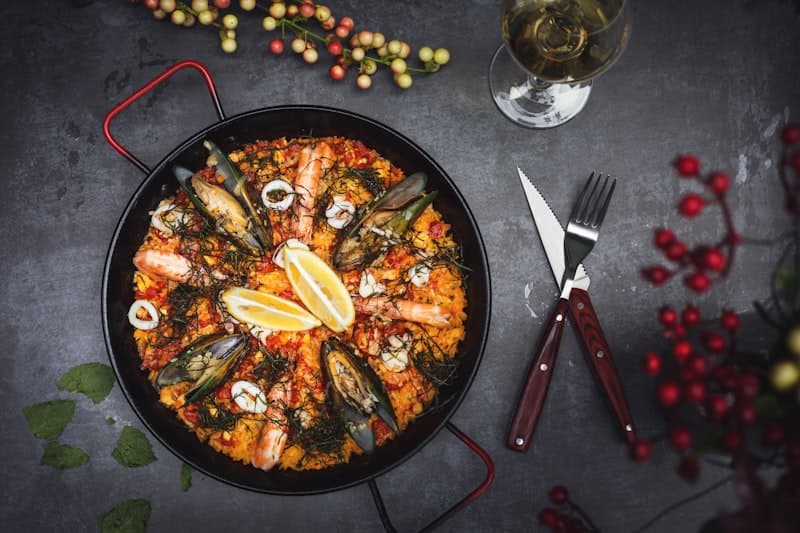
Must-try: Paella Valenciana
Always cooked over wood fire with chicken, rabbit, and white beans ~ never seafood (that's a different dish). Best at El Palmar near Albufera. In the city: Casa Roberto, Levante
Must-try: Horchata & fartons
A sweet tiger nut drink served ice-cold with soft sugar-dusted pastries. Horchatería Daniel (since 1949) and Horchatería Santa Catalina are the classics. Order it granizada in summer.
Must-try: Agua de Valencia
Valencia's signature cocktail ~ cava, orange juice, vodka, and gin. Invented at Café de las Horas in El Carmen, which still serves it in ornate goblets with baroque decor.
Golden rule: Never order paella for dinner ~ it's a lunch dish in Valencia. Restaurants that serve paella at night are catering to tourists. And never, ever ask for seafood paella Valenciana ~ the authentic recipe uses chicken, rabbit, and white beans. Seafood rice is a separate dish called arroz a banda.
Coworking spaces for remote workers
Valencia's coworking scene has exploded in recent years. Average internet speed: 85 Mbps (fibre widely available).
Wayco
Russafa ~ Valencia's biggest coworking brand ~ multiple locations, strong community events, and excellent facilities
Lanzadera
Marina de Empresas ~ Juan Roig's startup accelerator campus ~ premium space, networking opportunities, and innovation events
Vortex Coworking
El Carmen ~ Intimate old-town space with a community feel, terrace, and weekly social events
The Garden Coworking
Russafa ~ Green, plant-filled workspace with natural light, standing desks, and a chill atmosphere
Nueces
Extramurs ~ Budget-friendly option with 24/7 access, fast Wi-Fi, and a friendly local crowd
Workincompany
City centre ~ Professional space with meeting rooms, phone booths, and a rooftop terrace for lunch breaks
Café alternative: Bluebell Coffee and Olhöps Craft Beer in Russafa both have reliable Wi-Fi and laptop-friendly tables. Ubik Café in Russafa is a bookshop-café hybrid that's a local freelancer favourite. Buy something every hour and you're welcome.
Best day trips from Valencia
Valencia is a gateway to rice paddies, castles, vineyards, and hot springs. Most are doable by public transport.
Albufera rice paddies
The birthplace of paella. This freshwater lagoon surrounded by rice paddies is a protected natural park just south of the city. Take a traditional wooden boat ride through the channels at sunset, spot flamingos and herons, then eat paella in the tiny village of El Palmar ~ the restaurants here use rice grown in the surrounding fields.
Xàtiva castle
A hilltop fortress with views that stretch across the entire province of Valencia. Xàtiva was the birthplace of two Borgia popes and the castle has been fought over for 2,000 years. The old town below is full of Gothic churches and quiet plazas. The train ride through the orange groves is gorgeous on its own.
Peñíscola
A medieval town built on a rocky peninsula jutting into the sea ~ often called the Spanish Gibraltar. The Knights Templar castle sits at the top, whitewashed streets tumble down to the water, and beaches stretch on both sides. It was even used as a Game of Thrones filming location. Combine with lunch at one of the harbour seafood restaurants.
Requena wine country
Valencia's inland wine region produces excellent reds from the Bobal grape. Several bodegas offer tastings, and the old town of Requena has an underground network of medieval wine caves you can explore. Visit during the Vendimia (grape harvest) festival in August for wine-fuelled celebrations in the streets.
Montanejos hot springs
Natural thermal pools in a dramatic river gorge, surrounded by pine-covered mountains. The Fuente de los Baños spring maintains a constant 25°C year-round ~ perfect for swimming even in winter. The turquoise water and canyon scenery feel more like Iceland than Spain. Arrive early on weekends ~ it gets busy by midday.
Best time to visit Valencia
Mediterranean climate ~ mild winters, hot summers, and sunshine almost every day of the year.
Spring (March~May)
14~24°C ~ Best time to visit
Las Fallas in March is Valencia's biggest event ~ enormous sculptural monuments burn in a city-wide bonfire on March 19. Perfect weather for cycling the Turia, outdoor terraces open everywhere, and the orange blossoms fill the city with fragrance. Semana Santa processions follow in April.
Summer (June~August)
24~34°C ~ Hot, beachy, lively
Beach season in full swing ~ Malvarrosa and Patacona buzz with locals and tourists. Nights are warm and the city stays up late. La Tomatina (the tomato fight in Buñol) is in August, just 40 minutes away. Rent rises 20~30% and some locals escape the heat entirely.
Autumn (September~November)
14~27°C ~ Sweet spot for nomads
September still feels like summer without the crowds. October can bring the gota fría ~ sudden heavy rainstorms ~ but they pass quickly. The sea is warm enough to swim through mid-October. Tourist prices drop, coworking spaces fill with returning nomads, and the city settles into a lovely rhythm.
Winter (December~February)
8~17°C ~ Mild & affordable
Valencia's winters are mild and sunny ~ warmer than Madrid and much cheaper. Expect 5~6 hours of daily sunshine. Christmas markets and nativity scenes pop up in December. The city is quiet but far from dead. This is the cheapest season for rent, and the best time to work without beach-day temptation.
Cost of living in Valencia (2026)
One of the best value cities in Western Europe. Here's a realistic breakdown.
One-bedroom apartment (centre)
€750~1,100/moOne-bedroom (Benimaclet/Cabanyal)
€500~800/moRoom in shared flat
€300~500/moGroceries
€200~280/moEating out (menú del día)
€11~14/mealMonthly transport pass
€35~40/moCoworking membership
€120~180/moCoffee
€1.20~2.50Beer (caña)
€2.00~3.00Phone plan (SIM)
€15~25/moPrivate health insurance
€50~120/mo€1,000~1,400
Modest monthly budget
Shared flat, cooking at home, public transport
€1,600~2,100
Comfortable monthly budget
Own apartment, dining out, coworking
Travel insurance for Valencia
Health insurance is required for Spain's Digital Nomad Visa and strongly recommended for any extended stay.
Feather Insurance
Best for DNV holders & residents
- Designed for expats in Spain
- Meets DNV insurance requirements
- Public + private healthcare
- Monthly plans, cancel anytime
SafetyWing
Best for travelers & short stays
- Built for digital nomads
- 180+ countries covered
- From $45/month, pay as you go
- No fixed end date needed
DNV requirement: Spain's Digital Nomad Visa requires private health insurance with no copays and full coverage. Feather is purpose-built for this. SafetyWing works well for the Schengen tourist phase.
Getting around Valencia
Valencia is flat, compact, and very bikeable. You rarely need a car.
Metro & tram
The metro connects the airport, city centre, and beach in minutes. Tram lines run along the coast to the port and Malvarrosa. A single ride is €1.50 ~ buy a rechargeable TuiN card for discounts.
Valenbisi bikes
Valencia's bike-share system has 275+ stations across the city. Annual subscription is just €30/year with the first 30 minutes of every ride free. The Turia bike lane runs the length of the city. Cycling is the fastest way to get around.
Bus network
EMT buses cover the entire city and run frequently. Line 25 goes to Albufera, line 31 to Port Saplaya. Night buses (búhos) run on weekends. A monthly pass is €35~40 and covers metro, tram, and bus.
Walking
The old town is entirely walkable ~ El Carmen, the cathedral, Mercado Central, and La Lonja are all within a 15-minute walk of each other. Flat terrain makes Valencia one of the easiest Spanish cities to explore on foot.
Frequently asked questions
Is Valencia good for digital nomads?
Valencia is one of Europe's top digital nomad destinations. It consistently ranks alongside Lisbon and Barcelona for quality of life but costs significantly less. The city has reliable 100+ Mbps fibre internet, a growing coworking scene, mild weather year-round, beach access, and Spain's Digital Nomad Visa makes remote work legal. The nomad community is large and welcoming, especially in Russafa.
How many days do you need in Valencia?
3 to 4 days covers the main sights, key neighbourhoods, and top food spots. Add a day for Albufera and another for a day trip to Xàtiva or Requena. If you're testing it as a home base, spend 2~3 weeks ~ you need time to explore neighbourhoods, try coworking spaces, and find your rhythm.
Is Valencia expensive?
Valencia is one of Spain's best-value large cities. It's 20~30% cheaper than Barcelona and 15~20% cheaper than Madrid. A comfortable monthly budget for a single person is around €1,200~1,800. Eating out is very affordable ~ menú del día for €11~14, cañas for €2, and paella for two at a local spot for €20~25.
What's the best neighbourhood to live in Valencia?
Russafa for brunch culture and coworking energy. El Carmen for history and nightlife. Cabanyal for beach access on a budget. Benimaclet for student-village charm and the cheapest rents. Extramurs for a quiet, central base. Most digital nomads gravitate toward Russafa or Cabanyal.
Is Valencia safe?
Very safe. Petty theft can occur in tourist areas (watch your phone at outdoor terraces), but violent crime is rare. Most neighbourhoods feel safe walking at night. The beach areas are well-lit and popular until late in summer. Use common sense and you'll have no issues.
Do I need Spanish in Valencia?
In tourist areas and expat-heavy neighbourhoods like Russafa, you can get by with English. For renting apartments, healthcare, and bureaucracy, Spanish is essential. Valencia also has its own co-official language, Valenciano (related to Catalan) ~ you'll see it on street signs and official documents but don't need to speak it.
When is Las Fallas?
Las Fallas runs from March 1~19, with the main events concentrated in the final week. On March 19 (the Cremà), all the enormous sculptural monuments are set ablaze in a city-wide bonfire. The daily mascletà at 2pm in Plaza del Ayuntamiento is a must-experience firecracker display. Book accommodation well in advance ~ the city fills up completely.
What's the best day trip from Valencia?
Albufera for nature and authentic paella (20 minutes). Xàtiva for a stunning hilltop castle (50 minutes by train). Montanejos for hot springs in a canyon (1.5 hours). Requena for wine tasting (1 hour by train). All are accessible without a car except Montanejos.
Make Valencia your home base
Spain's Digital Nomad Visa
Work legally from the Mediterranean with Spain's Digital Nomad Visa ~ we'll walk you through the entire application process.
Photos: Unsplash (free to use). City of Arts and Sciences, Mercado Central, Turia Gardens, beach, cathedral, and paella by various Unsplash contributors.