
25 Best Things to Do in
Barcelona in 2026
Catalonia's capital is a city of Gaudí mosaics, Gothic alleys, and Mediterranean light ~ from the Sagrada Família to hidden rooftop bars, coworking spaces, and day trips to Montserrat. The complete guide for travelers, expats, and digital nomads.
25+
Things to do
7
Neighborhoods
€1,600
Avg. monthly cost
250+
Days of sun/yr
Why Barcelona?
Barcelona is the kind of city that ruins you for everywhere else. Gaudí's impossible architecture melts into medieval alleyways. You can swim in the Mediterranean before lunch and hike a mountain before dinner. The food is brilliant, the wine is cheap, and the cultural calendar runs 12 months a year. It's Spain's most cosmopolitan city, and Catalonia's proudly independent capital.
For digital nomads, Barcelona offers world-class coworking, a massive international community, fast fibre internet, and a lifestyle that balances productivity with genuine quality of life. The 22@ tech district has turned the old industrial waterfront into a startup hub, and Spain's Digital Nomad Visa means you can work here legally. Yes, it's pricier than Málaga or Valencia ~ but for many, the energy and opportunity are worth it.
In this guide
Top 12 things to do in Barcelona
From Gaudí masterpieces to sunset bunkers ~ the essentials.
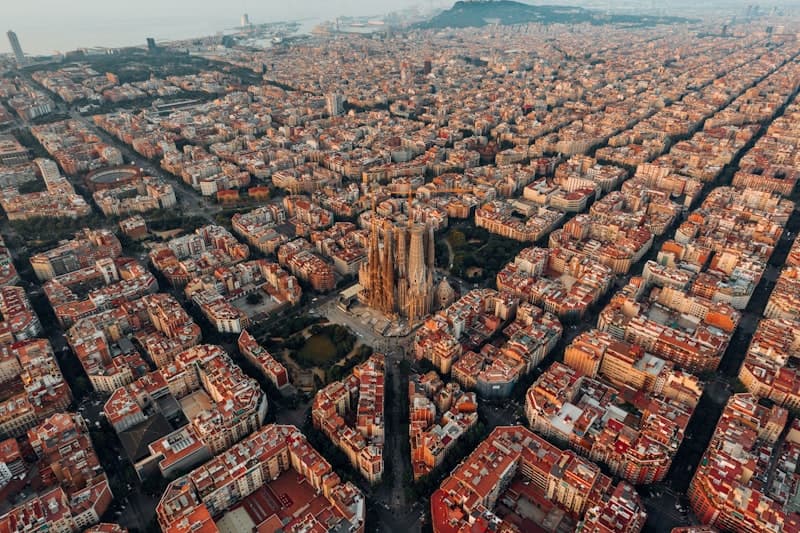
Visit the Sagrada Família
Gaudí's unfinished masterpiece has been under construction since 1882 and is projected to finish by 2026. The interior is unlike any church you've ever seen ~ forest-like columns branch into the ceiling, and the stained glass throws kaleidoscopic colours across the nave. Book timed-entry tickets online (26 euros) at least two weeks ahead. Go in the morning when eastern light floods through the blue and green windows.
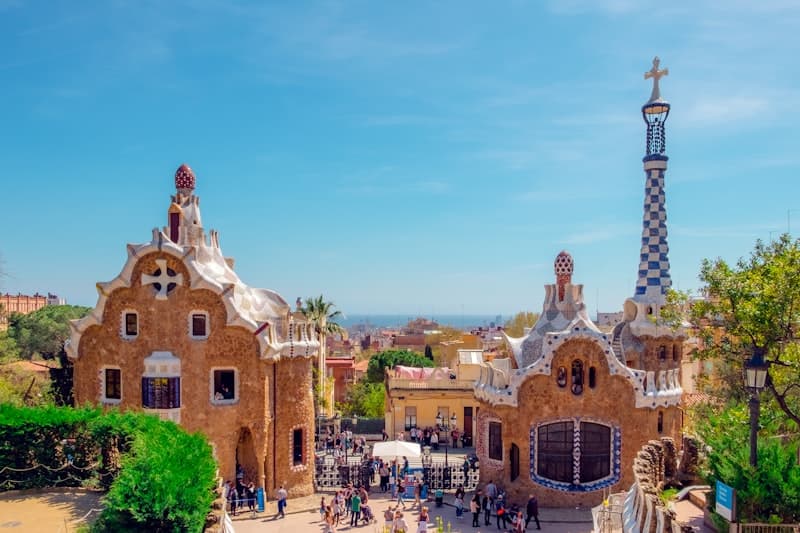
Explore Park Güell
Gaudí's mosaic-covered public park sits on Carmel Hill with sweeping views of the city and Mediterranean. The Monumental Zone (the famous tiled bench and dragon staircase) requires tickets (10 euros), but the rest of the park is free and equally beautiful ~ winding paths, stone viaducts, and quiet corners where locals walk their dogs. Arrive at 8:30am or after 5pm to avoid peak crowds.
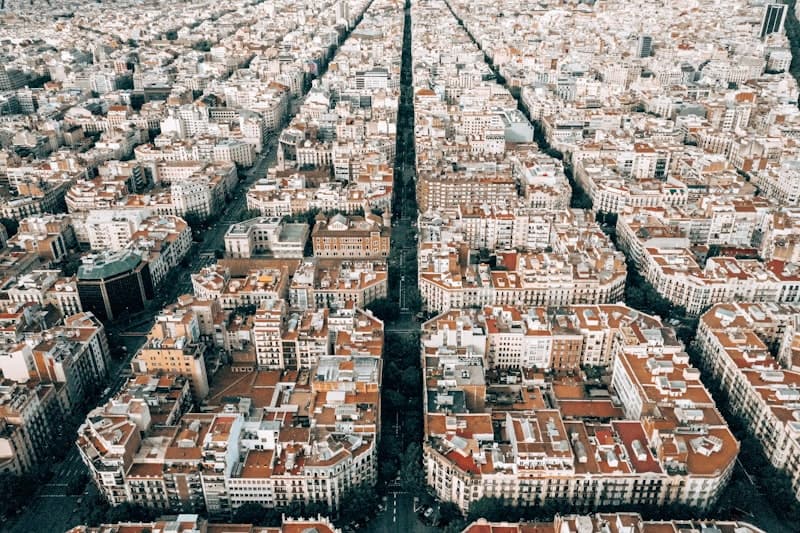
Wander the Gothic Quarter
The Barri Gòtic is Barcelona's oldest neighbourhood ~ a labyrinth of medieval streets, hidden plazas, and 14th-century cathedral cloisters where 13 white geese live in the courtyard (one for each year of Santa Eulalia's martyrdom). Get deliberately lost. You'll stumble onto the remains of Roman walls, tiny tapas bars, and the Plaça Reial with its Gaudí-designed lampposts. Come at night when the stone glows under lantern light.
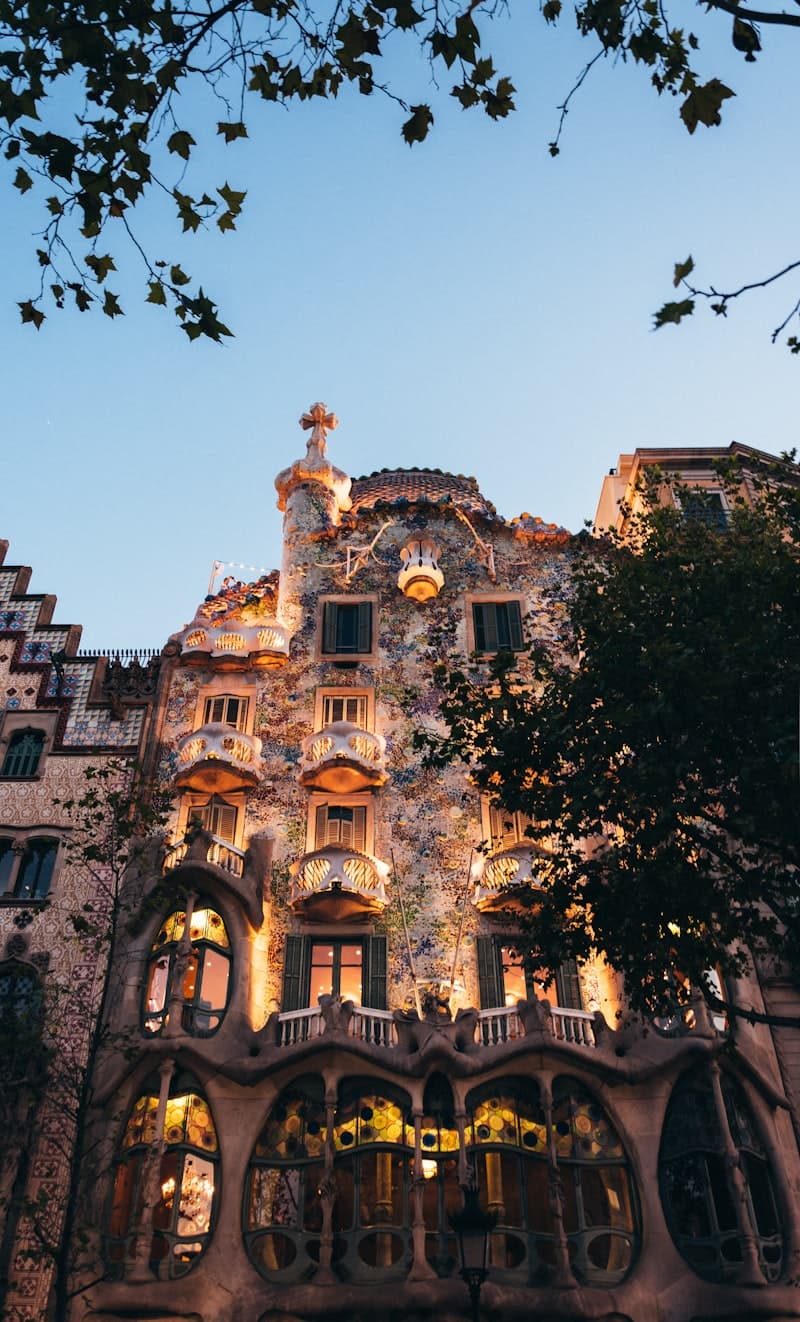
See Casa Batlló & Casa Milà
Two of Gaudí's residential masterpieces sit on Passeig de Gràcia, just two blocks apart. Casa Batlló (35 euros) has a dragon-scale roof, bone-shaped balconies, and an immersive audioguide that brings the building to life. Casa Milà ~ known as La Pedrera (25 euros) ~ has a rooftop of surreal chimney warriors and a free exhibition about Gaudí's methods. Do Casa Batlló first, then walk up to La Pedrera.
Walk La Rambla (but know the tricks)
Barcelona's most famous boulevard connects Plaça de Catalunya to the port. It's touristy, yes, but the plane-tree canopy and people-watching are unbeatable. The trick is knowing what to skip: overpriced terrace restaurants, 'friendship bracelet' scams, and anything that pulls you in from the street. Instead, duck into the side streets ~ Carrer de la Boqueria, Carrer del Cardenal Casañas ~ where the real food is. Walk it early morning or late evening.
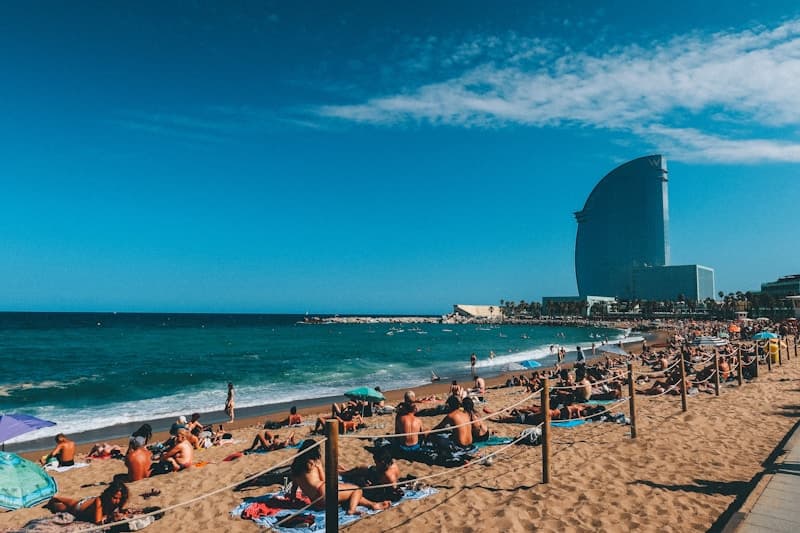
Relax at Barceloneta Beach
Barcelona's most central beach stretches 1.1km from the W Hotel to the old fishing quarter. Rent a sunbed, swim in the calm Mediterranean, and eat grilled seafood at the chiringuitos. The waterfront promenade is perfect for running, skating, or an evening paseo. For quieter sand, walk north to Bogatell or Mar Bella ~ the crowds thin out after the Olympic marina.
Visit the Palau de la Música Catalana
This Art Nouveau concert hall is a UNESCO World Heritage Site and one of the most stunning interiors in Europe. The stained-glass skylight, ceramic columns, and floral mosaics make it feel like being inside a jewellery box. Guided tours (16 euros) run daily, but the real experience is catching a concert here ~ flamenco, jazz, and classical performances most evenings. Book early for the best seats.
Explore El Born neighbourhood
El Born is Barcelona's trendiest barrio ~ narrow medieval streets packed with independent boutiques, natural wine bars, and gallery spaces. The anchor is the Picasso Museum (12 euros), housed in five Gothic palaces. After, wander down Passeig del Born to Santa Maria del Mar, the church from the novel Cathedral of the Sea. The Mercat del Born cultural centre has excavated ruins of 1700s Barcelona beneath a cast-iron roof.
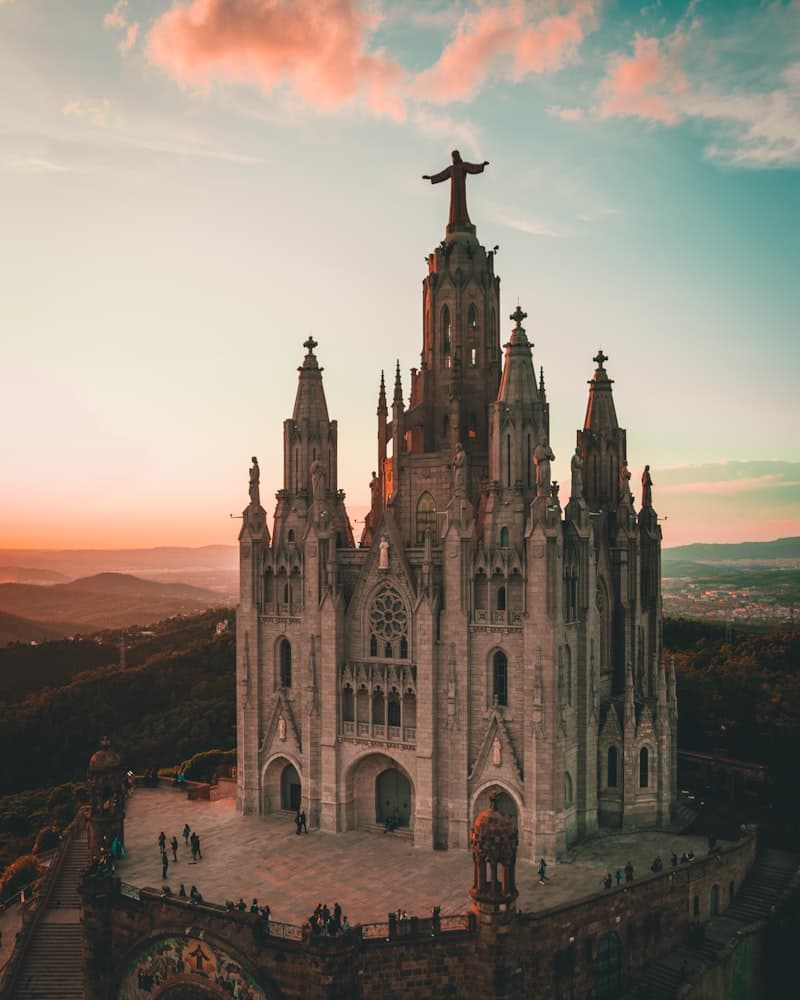
Cable car to Montjuïc
Take the Telefèric from Barceloneta or the funicular from Paral·lel to reach Montjuïc hill. The views over the city and port are spectacular. Up top: the Fundació Joan Miró (one of Europe's best modern art museums), the Montjuïc Castle with panoramic terraces, the Olympic stadium, and the magical Font Màgica fountain show (free, Thursday~Saturday evenings). You could spend an entire day here.
Browse La Boqueria Market
Barcelona's most famous food market sits on La Rambla behind a striking Modernista iron entrance. Inside: towers of tropical fruit, legs of Ibérico ham, seafood so fresh it's still twitching, and tapas bars serving the best market-to-plate food in the city. Eat at Bar Pinotxo (the tiny counter on the right as you enter) or El Quim. Go before 11am on a weekday ~ after that, the tourist crush makes it hard to move.
Discover the Gràcia neighbourhood
Once a separate village, Gràcia still has an independent spirit ~ local squares (Plaça del Sol, Plaça de la Vila de Gràcia) where families and young creatives gather every evening. The streets are full of indie shops, vermouth bars, and some of Barcelona's best vegetarian restaurants. In August, the Festa Major de Gràcia transforms the neighbourhood into a street-art competition where residents decorate entire streets with recycled materials.
Sunset at Bunkers del Carmel
The best free viewpoint in Barcelona ~ and it's not in any guidebook from 10 years ago. These Civil War-era anti-aircraft bunkers on top of Turó de la Rovira offer a full 360-degree panorama: Sagrada Família, Tibidabo, Montjuïc, the sea. Bring a bottle of cava and some olives, arrive an hour before sunset, and claim a spot on the concrete. The 20-minute uphill walk filters out the casual tourists.
Best neighborhoods to explore (& live in)
Each Barcelona neighbourhood has its own personality. Here's how to choose.
Gothic Quarter (Barri Gòtic)
Historic & atmospheric
Best for: Short-term visitors & history lovers
Medieval streets, cathedral, Plaça Reial, tapas bars everywhere. Beautiful but touristy during the day and noisy at night. Walking distance to everything central.
El Born
Trendy & artsy
Best for: Young professionals & creatives
Picasso Museum, natural wine bars, boutique shopping, Santa Maria del Mar. The most 'cool' neighbourhood ~ nightlife, brunch culture, and gallery openings.
Gràcia
Village-like & independent
Best for: Digital nomads & long-term residents
Local plazas, indie shops, vermouth bars, Festa Major in August. Feels like a small town inside the city. Strong community vibe and good value for central living.
Eixample
Elegant & grid-planned
Best for: Couples & design lovers
Modernista architecture on every block, Passeig de Gràcia, wide boulevards. Split into Dreta (upscale) and Esquerra (more residential, better value). Great restaurants and the city's LGBTQ+ hub (Gaixample).
Barceloneta
Beachy & laid-back
Best for: Beach lovers & active lifestyles
Direct beach access, seafood restaurants, morning swimmers, runners on the promenade. Small apartments in a former fishing village. Touristy in summer but locals love it year-round.
Poblenou
Creative & emerging
Best for: Tech workers & remote nomads
Converted factories, coworking spaces, beach proximity, 22@ tech district. Barcelona's answer to Shoreditch or Williamsburg. Quieter beaches and a growing food scene.
Sarrià-Sant Gervasi
Upscale & residential
Best for: Families & long-term settlers
Old village charm in upper Barcelona with tree-lined streets, excellent schools, and Tibidabo views. Quieter, greener, and more spacious. Well connected by FGC train.
Where to eat & drink in Barcelona
Catalan cuisine is bold, seasonal, and obsessed with quality ingredients.
Breakfast & brunch
Federal Café (Gòtic), Flax & Kale (Eixample), Satan's Coffee Corner (El Born), Brunch & Cake (multiple locations)
Lunch (menú del día)
Most neighbourhood bars offer a 3-course lunch with drink for €12~15. Try streets off Passeig de Gràcia or in Poble Sec for the best value
Dinner & tapas
Bar Cañete (modern tapas, no reservations), El Xampanyet (classic cava bar in El Born), La Pepita (Gràcia favourite), Cervecería Catalana
Must-try dishes
Pa amb tomàquet (bread rubbed with tomato and olive oil), fideuà (paella's noodle cousin), crema catalana, bombas (potato croquettes), and always ~ always ~ order cava
Must-try: Pa amb tomàquet ~ bread rubbed with ripe tomato, drizzled with olive oil and salt. It sounds simple but it's the soul of Catalan cuisine. Every restaurant serves it, and the best version you'll have will be at somebody's kitchen table. Pair it with Ibérico ham and a glass of cava from Penedès.
Coworking spaces for remote workers
Barcelona has one of Europe's biggest coworking scenes. Average internet speed: 100+ Mbps.
MOB
Bailèn (Eixample) ~ Community-focused space with events, terrace, and strong nomad network
Wi-Fi: 300 Mbps
Betahaus
Gràcia ~ Vibrant creative hub with café, event space, and open rooftop. Great for freelancers
Wi-Fi: 250 Mbps
CloudCoworking
Sarrià ~ Quiet, professional space with natural light and dedicated desks in upper Barcelona
Wi-Fi: 200 Mbps
OneCoWork
Plaça Catalunya ~ Premium central location, beautiful interiors, meeting rooms, and 24/7 access
Wi-Fi: 500 Mbps
Itnig
Poblenou ~ Startup-focused coworking in the 22@ tech district. Excellent for networking
Wi-Fi: 300 Mbps
Aticco
Multiple locations ~ Modern design-led spaces across the city with lounges, phone booths, and terraces
Wi-Fi: 300 Mbps
Café alternative: Nomad Coffee (Gòtic) and Satan's Coffee Corner (El Born) are popular freelancer spots with strong Wi-Fi and good coffee. For something quieter, try Federal Café in the Gòtic or Espai Joliu in Poblenou. Buy something every hour and you're welcome to stay.
Best day trips from Barcelona
Mountains, medieval towns, Roman ruins, and Costa Brava coves ~ all within 2 hours.
Montserrat Monastery
A Benedictine monastery wedged into jagged mountain peaks 720 metres above the valley floor. The Black Madonna is one of Spain's most venerated statues, and the boys' choir (La Escolania) sings daily at 1pm. Take the cable car up for the views, then hike the Sant Joan trail for even more dramatic scenery. Go early ~ the monastery is packed by midday.
Sitges
A charming seaside town south of Barcelona with whitewashed houses, 17 beaches, a lively LGBTQ+ scene, and a palm-lined promenade. The old town is beautiful and walkable. In February, Sitges Carnival is one of Spain's wildest festivals. Perfect half-day escape when you need sand and sea without the Barceloneta crowds.
Girona
A medieval gem with a Jewish Quarter (El Call) that's one of the best-preserved in Europe, a colourful riverside, and a cathedral with the widest Gothic nave in the world. Game of Thrones fans will recognise the old town. The food scene is exceptional ~ Girona province has more Michelin stars per capita than almost anywhere in Spain.
Costa Brava
The rugged coastline north of Barcelona is dotted with hidden coves, turquoise water, and whitewashed fishing villages. Tossa de Mar has a walled old town right on the beach. Cadaqués (further north, 2.5 hours) is where Dalí lived ~ the landscape is surreal in itself. Summer only for swimming, but beautiful year-round for hiking the Camí de Ronda coastal path.
Tarragona
A smaller, quieter city with some of Spain's best-preserved Roman ruins ~ an amphitheatre overlooking the sea, a forum, aqueduct, and necropolis. The old town (Part Alta) has medieval streets, excellent seafood restaurants, and a cathedral with Romanesque cloisters. Fewer tourists, more authentic, and significantly cheaper than Barcelona for a meal.
Best time to visit Barcelona
Mediterranean climate ~ mild winters, warm summers, and sunshine most of the year.
Spring (March~May)
14~22°C ~ Best time to visit
Perfect weather for walking, outdoor terraces in full swing, and fewer tourists than summer. Sant Jordi (April 23) fills the city with books and roses ~ Barcelona's most romantic day. Beach season starts in late May.
Summer (June~August)
23~32°C ~ Hot, busy, festive
Peak tourist season with packed beaches, long evenings, and outdoor cinema. The Festa Major de Gràcia (mid-August) is spectacular. Rent rises 20~40% and Airbnbs get scarce. Many locals leave in August. Great energy, but bring patience.
Autumn (September~November)
14~26°C ~ Excellent for nomads
September is still summer minus the crowds. La Mercè festival (September 24) is Barcelona's biggest ~ giants, fire runs (correfocs), and free concerts across the city. October brings some rain but the city is beautiful. Sea is warm enough to swim through October.
Winter (December~February)
8~15°C ~ Mild & affordable
Barcelona's winters are mild by European standards ~ you can eat outside most days. Christmas markets, shorter queues at attractions, and the cheapest rent of the year. January and February are the quietest months. Perfect for settling in as a digital nomad.
Cost of living in Barcelona (2026)
Spain's most expensive city, but still great value compared to Northern Europe.
One-bedroom apartment (centre)
€900~1,400/moOne-bedroom (Gràcia/Poblenou)
€800~1,100/moRoom in shared flat
€450~700/moCoworking membership
€170~250/moGroceries
€250~350/moEating out (menú del día)
€12~15/mealMonthly transport pass (T-Usual)
€40/moMobile phone plan
€15~25/moPrivate health insurance
€50~120/moCoffee
€1.50~3.00Beer (caña)
€2.50~3.50€1,500~1,900
Modest monthly budget
Shared flat, cooking at home, public transport
€2,200~2,800
Comfortable monthly budget
Own apartment, dining out, coworking
Travel insurance for Barcelona
Health insurance is required for Spain's Digital Nomad Visa and strongly recommended for any extended stay.
Feather Insurance
Best for DNV holders & residents
- Designed for expats in Spain
- Meets DNV insurance requirements
- Public + private healthcare
- Monthly plans, cancel anytime
SafetyWing
Best for travelers & short stays
- Built for digital nomads
- 180+ countries covered
- From $45/month, pay as you go
- No fixed end date needed
DNV requirement: Spain's Digital Nomad Visa requires private health insurance with no copays and full coverage. Feather is purpose-built for this. SafetyWing works well for the Schengen tourist phase before your visa is approved.
Getting around Barcelona
Barcelona is well connected and very walkable in the centre.
Metro
8 lines covering the whole city. Runs 5am~midnight (24 hours on Saturdays). Single ticket €2.40, T-Casual (10 trips) €11.35, T-Usual (unlimited monthly) €40.
Bus
Extensive network including the useful V and H lines. Night buses (Nitbus) run after the Metro closes. Same tickets as the Metro ~ T-Casual works on both.
Bicing (bike share)
Barcelona's public bike system ~ €50/year for residents with a padró certificate. 6,000+ bikes at 400+ stations. Electric bikes available. Great for commuting on the flat city grid.
Walking
The city centre (Gòtic, Born, Eixample, Gràcia) is very walkable. Most attractions are within 30 minutes on foot. The seafront promenade runs 4.5km from Barceloneta to Poblenou.
Airport transfer
Aerobus runs every 5 minutes from T1 and T2 to Plaça de Catalunya (€7.75, 35 min). RENFE train goes to Passeig de Gràcia (€4.60, 25 min). Taxi to centre: fixed rate €39.
Pro tip: Get the T-Usual card if you're staying more than a week ~ unlimited Metro, bus, tram, and FGC trains across Zone 1 for €40/month. It pays for itself in about 17 trips. You'll need to register at a TMB office with your passport.
Frequently asked questions
Is Barcelona good for digital nomads?
Barcelona is one of Europe's top digital nomad cities. Fast internet (average 100+ Mbps), a massive coworking scene, year-round sunshine, beach access, and a vibrant international community. Spain's Digital Nomad Visa makes remote work legal, and the tech ecosystem in the 22@ district is thriving. The main downsides are rising rent prices and summer crowds.
How many days do you need in Barcelona?
4 to 5 days covers the major sights ~ Sagrada Família, Park Güell, Gothic Quarter, Montjuïc, and the beaches. Add a day for each day trip (Montserrat, Sitges, Girona). If you're testing it as a home base, plan for 2~3 weeks to explore neighborhoods, try coworking spaces, and find your rhythm.
Is Barcelona expensive?
Barcelona is Spain's most expensive city for rent, but still cheaper than London, Paris, or Amsterdam. A comfortable monthly budget is €1,600~2,200 for a single person. Eating out remains affordable outside tourist zones ~ menú del día for €12~15, cañas for €2.50, and excellent market food for a few euros.
What's the best neighborhood to live in Barcelona?
Gràcia for village-like community and good value. El Born for nightlife and culture. Poblenou for tech workers and beach access. Eixample for elegance and walkability. Barceloneta for beach life. Most digital nomads gravitate toward Gràcia, Poblenou, or Eixample Esquerra.
Do I need Catalan or Spanish in Barcelona?
You can get by with English in tourist areas, but Spanish is essential for daily life ~ renting, bureaucracy, healthcare. Catalan is the co-official language and you'll see it on signs, menus, and official documents. Learning basic Catalan phrases earns enormous goodwill with locals. Most Barcelonins are bilingual in Catalan and Spanish.
Is Barcelona safe?
Generally very safe. Petty theft (pickpocketing) is a real issue on La Rambla, the Metro, and at beach areas ~ keep valuables in front pockets and don't leave bags on chairs at restaurants. Violent crime is rare. Most neighborhoods are safe to walk at night, though some areas of the Raval can feel sketchy after midnight.
What's the best day trip from Barcelona?
Montserrat for dramatic mountain scenery and the monastery. Girona for medieval architecture and food. Sitges for beaches and charm. Costa Brava for hidden coves. Tarragona for Roman history. All are reachable by public transport without a car.
When is the best time to visit Barcelona?
Spring (April~May) and autumn (September~October) are ideal ~ warm weather, fewer crowds, and lower prices. September's La Mercè festival is the highlight of the year. Summer is hot and crowded but festive. Winter is mild, cheap, and surprisingly sunny ~ perfect for digital nomads.
Make Barcelona your home base
Spain's Digital Nomad Visa
Work legally from Catalonia with Spain's Digital Nomad Visa ~ we'll walk you through the entire application process.
Photos: Unsplash (free to use). Sagrada Família, Park Güell, Gothic Quarter, Barceloneta, Casa Batlló, and Montjuïc by various Unsplash contributors.